
Ivy Parker reports that as of Thursday, January 22, 2026 at 04:26 AM, the price of one bitcoin has shown significant fluctuations, prompting further analysis for investors and analysts alike.
The price of one bitcoin is subject to significant fluctuation, resulting from various market dynamics, investor sentiment, and macroeconomic factors. As of October 2023, the price of one bitcoin is typically evaluated against the US dollar and other fiat currencies. Regular tracking of these prices is essential, as they can change rapidly within short durations, often influenced by news, regulatory updates, and market adoption trends.
The cost of one bitcoin reflects not only its current market demand but also the total supply available in the market at any given time. Bitcoin operates on a decentralized network of nodes that validate transactions and add them to a public ledger known as the blockchain. Market participants utilize various platforms to buy, sell, and trade bitcoin, contributing to the price variations witnessed over time. The price of one bitcoin has shown

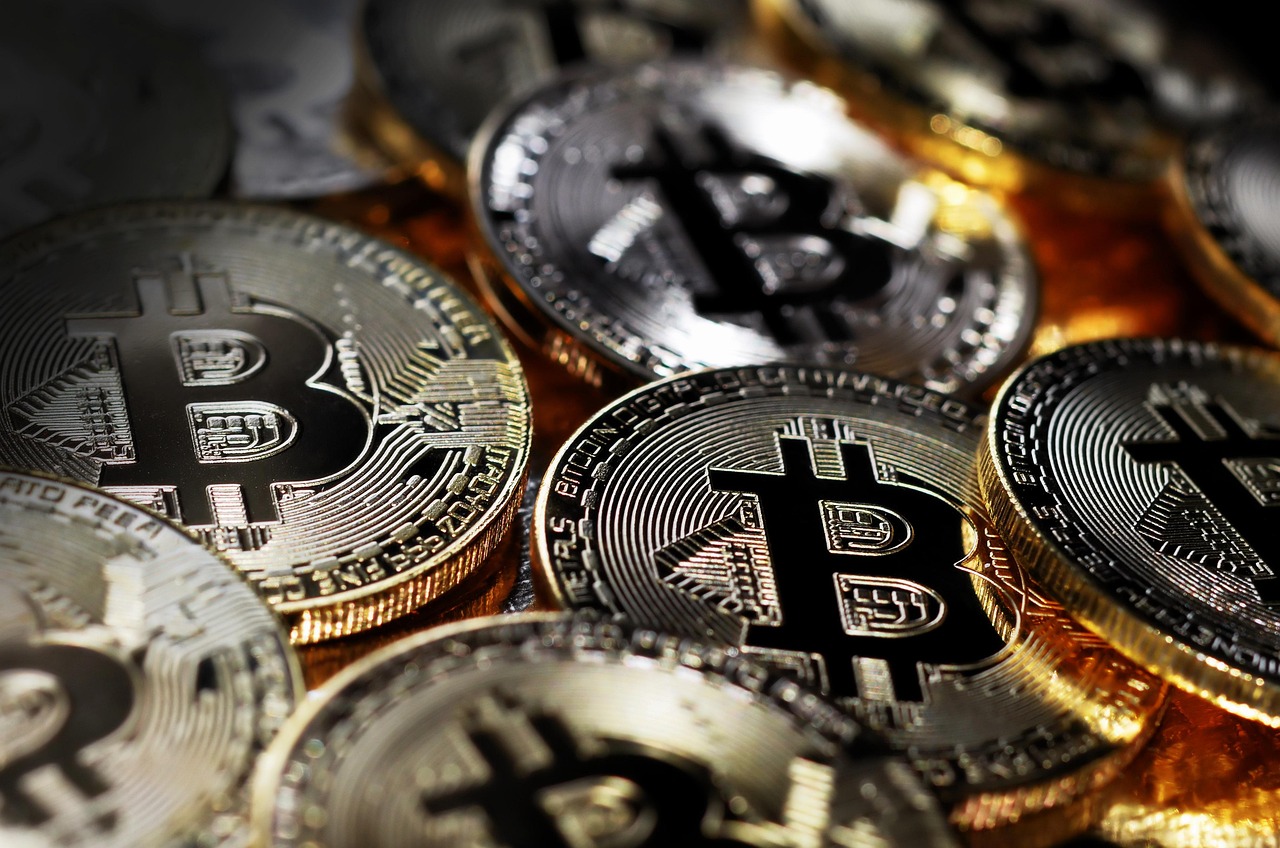
This image illustrates the concept of bitcoin pricing influenced by supply and demand dynamics.
Bitcoin prices are influenced by a range of external factors, including but not limited to regulatory news, technological advancements, and macroeconomic indicators such as inflation rates or recession fears. For example, significant events like government crackdowns on cryptocurrency trading or the adoption of bitcoin for mainstream transactions can lead to increased volatility. In practice, the cryptocurrency market generally experiences higher volatility compared to traditional financial markets, characterized by rapid price swings and speculative trading behaviors. Significant fluctuations
Currently, the price of one bitcoin can exceed $30,000, with substantial deviations observed over short periods. According to industry surveys, approximately 1% of the total bitcoin supply has been lost permanently due to forgotten keys or abandoned wallets. This loss further accentuates the importance of securing digital assets effectively, impacting the perceived scarcity and value of bitcoin.
The tradeoff considerations when investing in bitcoin are several. Bitcoin is not ideal for short-term investors looking for stable returns, as its price can drop significantly within hours or days. Moreover, those needing liquid cash in the near term should consider traditional assets, which generally present less risk of sudden depreciation. Additionally, the operational complexity of securely storing and managing bitcoin may deter casual investors unfamiliar with the technology. Regular tracking of these prices is
1. Understanding the Market Context
2. Evaluating the Cost of Bitcoin
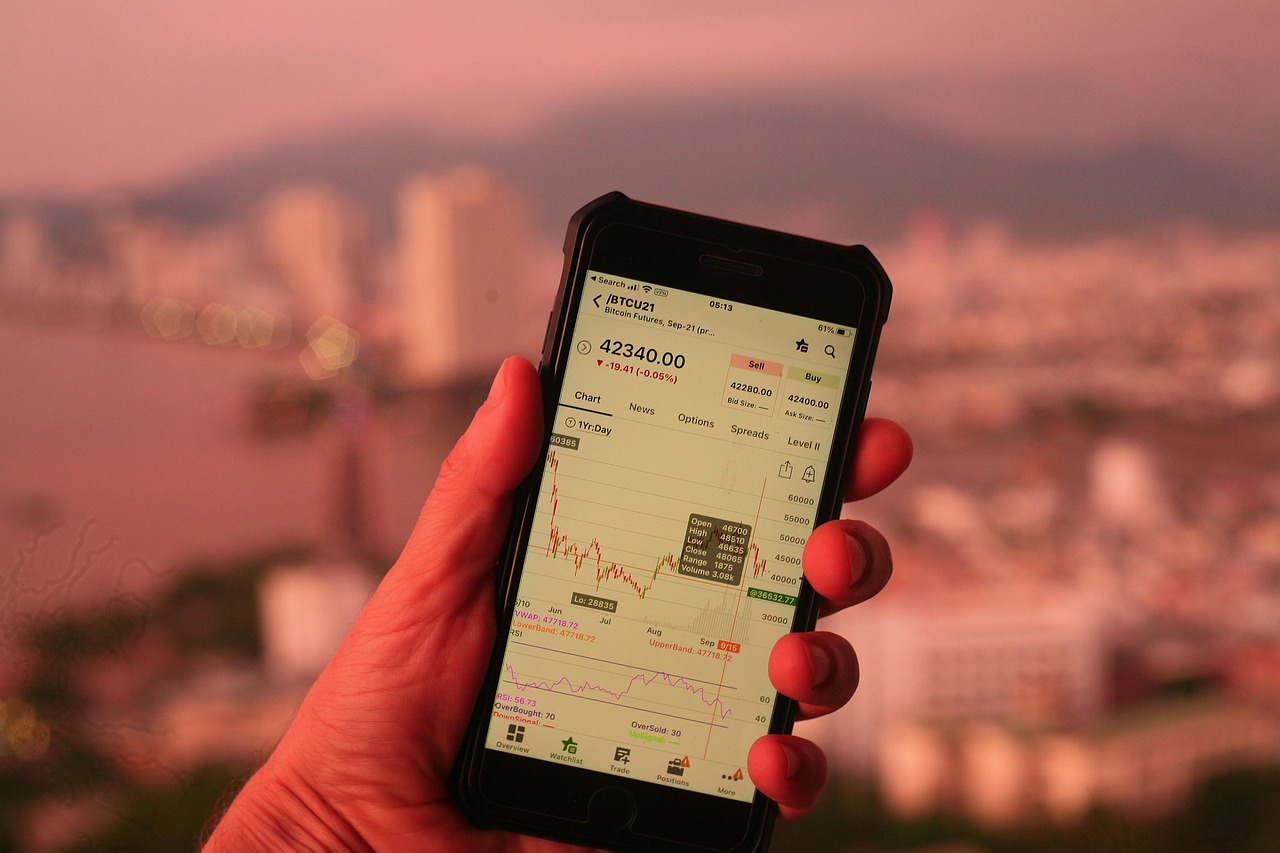
3. Monitoring Fluctuations and Trends
| Evaluation Factor | Bitcoin Investment | Traditional Investment |
|———————————-|—————————————–|—————————————–|
| Volatility | High | Low |
| Regulatory Environment | Evolving and unpredictable | Generally stable |
| Complexity of Management | Requires technical knowledge | More accessible and straightforward |
In summary, understanding how much one bitcoin costs goes beyond simply checking the price. It involves navigating through market fluctuations, recognizing the underlying factors driving those changes, and considering personal financial goals. As a decentralized asset, bitcoin’s price encapsulates a broader narrative about the future of digital finance and the role cryptocurrencies may play moving forward.
Investors should remain informed about market dynamics and diversification strategies to mitigate risks associated with bitcoin investment. Active monitoring of the market and thoughtful decision-making are essential components for those entering the bitcoin landscape.
How is bitcoin commonly used in transactions compared to traditional currencies?
Bitcoin is often used for online transactions and investments, allowing for peer-to-peer transfers without intermediaries. However, its acceptance as a payment method is limited compared to traditional currencies, as many retailers do not accept bitcoin due to volatility and transaction processing times.
What factors should I consider when deciding to invest in bitcoin over other assets?
When deciding to invest in bitcoin, consider factors such as market volatility, regulatory environment, and your risk tolerance level. Unlike traditional assets, the cryptocurrency market is influenced by sudden news, technological changes, and market speculation, necessitating a thorough assessment of your financial situation and investment goals. However, this introduces tradeoffs that must be evaluated based on cost, complexity, or network conditions.


