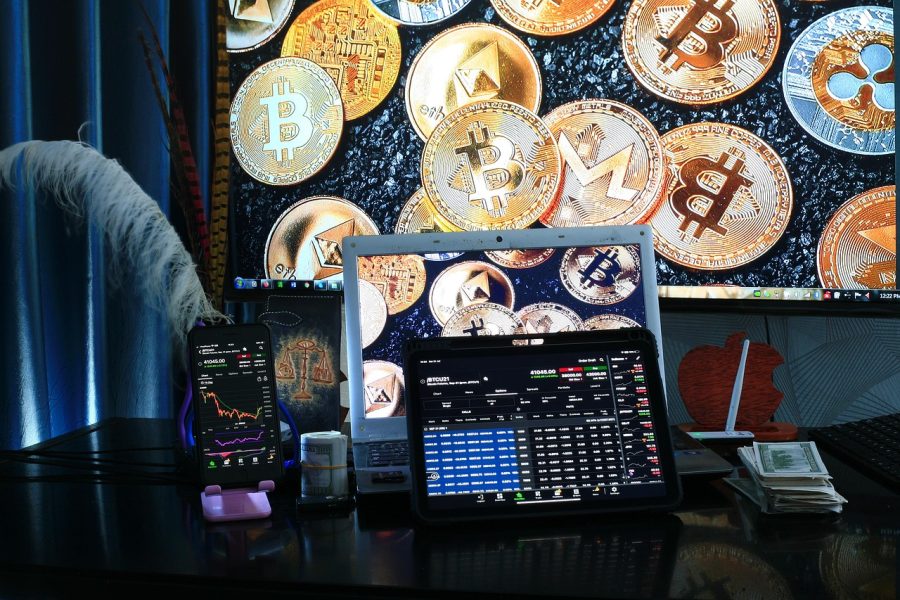
Ivy Parker provides an analysis of the best performing cryptocurrency as of Friday, February 13, 2026 at 03:19 PM, addressing key considerations for investors.
When evaluating the best performing cryptocurrency, it is essential to compare various options based on their historical performance, market stability, and investor suitability. While some cryptocurrencies may excel in volatility and rapid gains, they might not be ideal for conservative investors seeking stability. Conversely, more established options may provide safer investments but could offer lower returns, guiding users to the choice that aligns with their financial goals and risk appetite.
How the Options Differ
- Bitcoin tends to be less user-friendly for beginners compared to some newer cryptocurrencies with simpler interfaces.
- Ethereum offers advanced features like smart contracts but may involve a steeper learning curve than basic assets.
- Binance Coin is generally more suitable for frequent traders due to lower fees on its exchange, whereas some other options have higher transaction costs.
- Security features differ significantly, with Bitcoin regarded as highly secure due to its established network compared to newer cryptocurrencies that may have vulnerabilities.
- The best performing cryptocurrency can vary based on market conditions, but Ethereum often leads in utility and potential for adoption beyond just currency functions.
Comparing Key Factors for Cryptocurrency Selection
Investors often face a challenging decision when determining which cryptocurrency holds the potential for the best performance. A thorough evaluation must address key elements that can influence the final selection. Common points of hesitation typically arise from uncertainty regarding market conditions, the technology behind the coin, and the overall security of the investment. Uncertainty regarding market conditions and the technology behind the coin.
When comparing cryptocurrencies, it is crucial to define specific criteria that can serve as a basis for evaluation. These criteria often include market capitalization, liquidity, historical price performance, technology innovation, and community support. Each of these factors plays a significant role in predicting the future performance of a cryptocurrency.
Evaluating Key Factors in Cryptocurrency Choices
Factors influencing historical price performance and overall security.
Investors should utilize performance characteristics to build their decision-making confidence. This involves looking not only at short-term gains but also at long-term sustainability. Historical data can illustrate how a cryptocurrency has responded to market fluctuations, thus informing buyers whether it has a strong track record or merely a temporary surge. Essential components for assessing the potential of different cryptocurrencies.
| Governance blind spots | Loss exposure pathways | Those without active oversight | Adjacent asset classes |
|---|---|---|---|
| Centralized control impacting decision-making | Market volatility affecting asset value | Automated trading algorithms generating unexpected losses | Commodities like gold or silver |
| Lack of transparency in governance structures | Cybersecurity incidents leading to theft | New entrants with less regulatory scrutiny | Stocks in technology or financial sectors |
| Inadequate user representation in protocol upgrades | Sudden regulatory changes impacting trading | Projects lacking independent audits | Real estate investment trusts |
| Conflicts of interest within development teams | Liquidity risks during market downturns | Projects without user feedback mechanisms | Bonds or fixed-income assets |
| Governance token misalignment with user interests | Exposure to sweeping market corrections | Large holders making unilateral decisions | Mutual funds focusing on diverse sectors |
Security is another vital aspect that distinguishes different cryptocurrencies. Not all coins employ the same security measures and vulnerabilities can exist depending on the underlying technology. Therefore, analyzing the security protocols, such as the use of blockchain technology, consensus mechanisms, and past incidents of breaches or hacks, can greatly aid in assessing which cryptocurrency is more secure.
Comparing Cryptocurrency Performance Factors for Investors
Essential components for assessing the potential of different cryptocurrencies.
The leading cryptocurrencies in terms of performance may not be suitable for users who prioritize stability and low volatility, as these assets often exhibit significant price fluctuations that could lead to substantial financial risk. Additionally, investors seeking long-term, passive investment strategies might find these options less appealing compared to traditional assets or stablecoins that typically offer more predictable returns. Furthermore, those who require immediate liquidity might face challenges with certain best performing options that can have liquidity constraints, making them less practical for short-term trading needs. Essential components for assessing the potential of different cryptocurrencies.
Understanding cost-related differences also plays a role in shaping decisions. Transaction fees, a potential barrier to profitability, vary significantly across platforms. Low fees can enhance the attractiveness of a cryptocurrency, especially for frequent traders. Essential components for assessing the potential of different cryptocurrencies.
| Upfront investment exposure | Breakage conditions | Process complexity | Mismatch risk scenarios | |
|---|---|---|---|---|
| High initial capital required for best positions | Potential for significant loss during crashes | Advanced knowledge needed for effective trading | Assets with inconsistent regulatory status | |
| Ongoing fees for trading or holding | Risk of project failures or hacks | Continuous market research and monitoring | Usage scenarios that differ from expectations | |
| Infrastructure costs for security measures | Economic downturn impacting liquidity | Complexity of diversifying assets | Changing market sentiment disrupting plans | |
| Technology costs for platform access | Extended periods of underperformance | Learning curve for new technologies | Emotional decision-making affecting investment | |
| Large minimum investments required in certain offerings | Withdrawal limitations straining accessibility | Time-consuming analysis of market trends | Investments failing to align with risk tolerance |
Ease of use and suitability across various user profiles help in creating a well-rounded assessment. For instance, some cryptocurrencies may be more suitable for beginners, while others might cater better to experienced traders. By determining how user-friendly a platform is, investors can find the option that best fits their investment style and level of expertise.
Decisions can be accelerated by simplifying complex data into more digestible insights. Creating comparative charts or summaries of market performance can allow investors to quickly visualize differences in performance metrics, security features, transaction fees, and usability. These shortcuts can lead to a more informed selection process, favoring cryptocurrencies that not only perform well but also align with the investor’s preferences.
Finally, summarizing the comparison will help in clarifying which options stand out as the best performing cryptocurrency. Highlighting those that exhibit strong market performance, robust security measures, suitable transaction costs, and user-friendly interfaces assists investors in making a more informed choice. Analyzing the contrasting features of various cryptocurrencies enables investors to narrow down the options to those that align with their investment goals, which ultimately supports a more efficient decision-making process.
How Options Compare
What characterizes high-performing cryptocurrencies?
High-performing cryptocurrencies typically demonstrate significant price appreciation and increased market capitalization within a specific timeframe. Notably, these assets may exhibit lower transaction fees or faster processing times compared to others, but their volatility can deter conservative investors seeking stability. However, this introduces tradeoffs that must be evaluated based on cost, complexity, or network conditions.
How can someone use top cryptocurrencies for investment purposes?
Investors may choose to allocate funds into high-performing cryptocurrencies by purchasing them on exchange platforms or through digital wallets. However, the rapid price fluctuations can lead to substantial losses, particularly for those unfamiliar with market dynamics or those looking for safer, long-term investments.
What are the main risks associated with investing in top cryptocurrencies?
Investing in high-performing cryptocurrencies carries notable risks, including regulatory uncertainties and technological vulnerabilities such as hacks or bugs. Additionally, the potential for sudden market downturns can severely impact returns, making it less suitable for risk-averse individuals. However, this introduces tradeoffs that must be evaluated based on cost, complexity, or network conditions.