Ivy Parker provides an analysis of the evolving landscape of meme coins in cryptocurrency as of Thursday, January 22, 2026 at 01:13 AM.
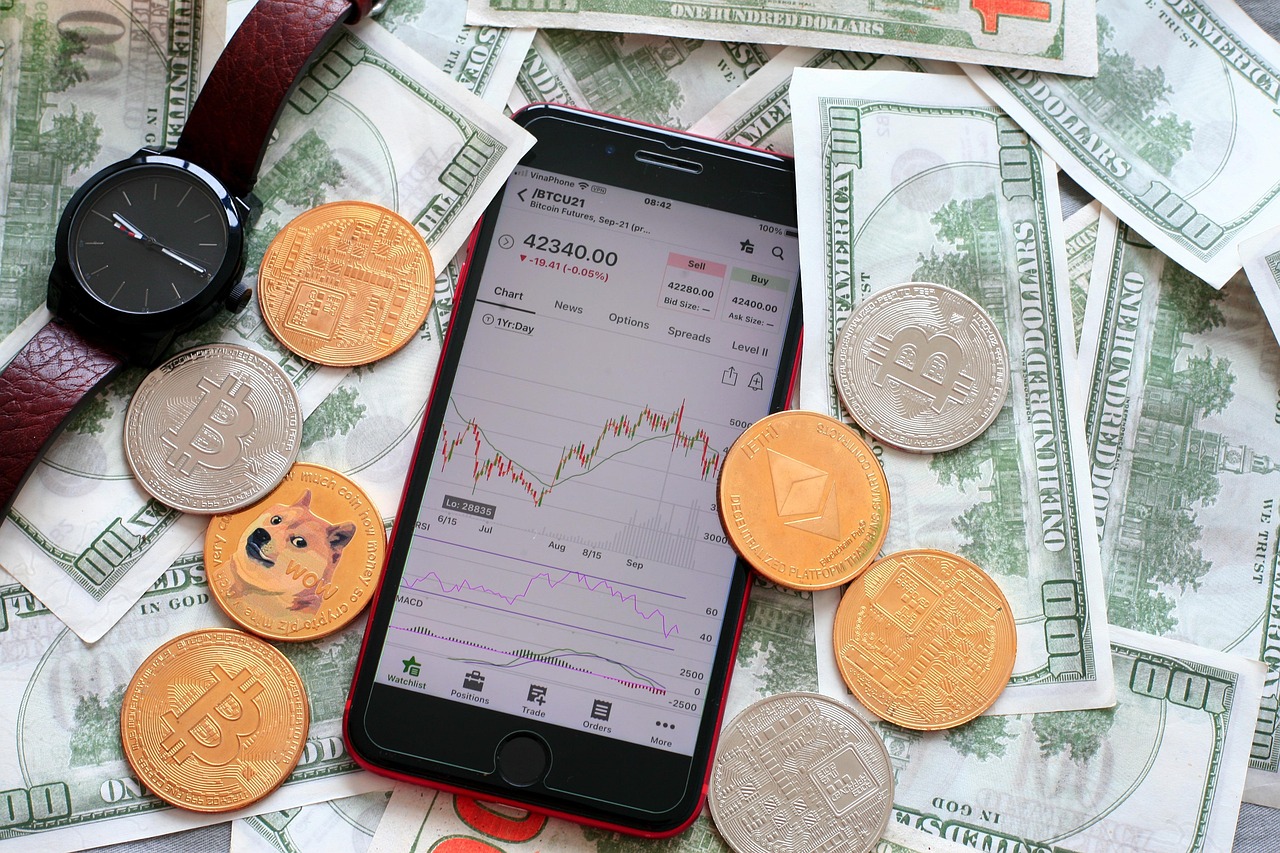
Meme coins are a unique class of cryptocurrency that often gain popularity through social media and internet culture, rather than through traditional technological utility or real-world applications. This type of cryptocurrency typically derives its value from community involvement rather than intrinsic economic characteristics or business models. Some notable examples include Dogecoin and Shiba Inu, which began as jokes but have developed substantial followings.
The primary appeal of meme coins lies in their low entry price and the potential for substantial returns due to high volatility. Many investors are drawn to these coins in the hope that they will experience a surge in value, similar to what has happened with other speculative assets in the past. Additionally, the community-driven nature of meme coins fosters a sense of belonging and participation among holders who often engage in collective initiatives, such as charity donations or promotional stunts.
Meme coins function through the same underlying blockchain technology as other cryptocurrencies, using decentralized networks to facilitate transactions and ownership verification. They typically follow the standards of popular blockchain platforms, allowing for the creation and transfer of tokens without a centralized authority. This decentralized aspect contributes to their appeal and market dynamics. The primary appeal of meme coins lies in

The tradeoff for investing in meme coins is significant. While they can yield substantial short-term gains, they come with substantial risk. Unlike established cryptocurrencies like Bitcoin and Ethereum, meme coins often lack robust use cases or solid technological foundations, making them highly susceptible to market sentiment swings. This lack of stability means they are often not suitable for serious investment strategies. Users should consider a traditional cryptocurrency or established asset classes if they seek security and predictable returns.
1. Meme coins can experience rapid value fluctuations based on meme culture and social media trends, leading to potential losses.
2. Unlike traditional cryptocurrencies aimed at solving real-world problems, many meme coins lack a clear technological roadmap.
3. Regulatory scrutiny can escalate for meme coins, potentially affecting their market and legality.
Investors in meme coins should be aware of a few common issues. Market volatility can be extreme, and identifying the right entry and exit points can be challenging. Lack of liquidity is another issue, as these coins may not always have sufficient trading volume, making it difficult for investors to sell at their desired price. Additionally, scams and poorly managed projects are prevalent in the meme coin space, which can lead to financial loss. Some notable examples include Dogecoin
When encountering challenges with meme coins, here are some recommended troubleshooting steps:
1. Research any public communications from the creators or community.
2. Monitor social media channels for real-time updates on trends.
3. Seek community support or forums for advice and shared experiences.
Maintaining security while engaging with meme coins is crucial. Given their volatility and potential for scams, always use secure wallets and verify the legitimacy of trading platforms before investing. Understanding how to protect personal information and assets should be a priority.
In terms of long-term relationship management with meme coins, periodic engagement with community channels, such as forums and social media groups, can reinforce trust and provide insights into market trends. Users should continuously educate themselves about market dynamics to make informed decisions. This type of cryptocurrency typically derives its value from

Here is a simple stability checklist to follow:
1. Regularly check the market performance of selected meme coins.
2. Stay updated with the latest trends in cryptocurrency.
3. Reevaluate personal investment strategy periodically.
Maintaining confidence in investment decisions is essential. Relying on factual market data and community sentiment can help validate investment choices. Keeping a close eye on project developments and the activity surrounding meme coins can prevent costly mistakes and enhance overall buyer satisfaction.
| Feature | Meme Coins | Traditional Cryptocurrencies |
|————————|———————————-|———————————-|
| Market Sentiment | Highly Influenced by Trends | More Stable, Less Speculative |
| Success Drivers | Community Engagement | Technological Utility |
| Regulatory Scrutiny | Often Lacks Clarity | Increasingly Defined Legally |
In summary, meme coins are an innovative and entertaining aspect of the cryptocurrency landscape, but they come with considerable risks and limitations. They are generally not suitable for users seeking stability and reliable returns. When investing in this volatile market, maintaining an informed approach and practicing diligence in monitoring trends can lead to better outcomes.
How would you describe a cryptocurrency that falls under this category?
A meme coin is a type of cryptocurrency that is primarily created for humorous purposes or as a joke, rather than for serious investment or technological utility. Examples include Dogecoin and Shiba Inu, which gained popularity through social media rather than substantial innovative features. However, this introduces tradeoffs that must be evaluated based on cost, complexity, or network conditions.
In what scenarios might someone choose to invest in these currencies?
Investors may purchase meme coins for speculative reasons, hoping to capitalize on their viral nature and community-driven hype. However, the lack of underlying technology or serious application can result in extremely volatile price movements, making it a risky investment.
How do these coins compare with established cryptocurrencies like Bitcoin or Ethereum?
Unlike Bitcoin or Ethereum, which have clearly defined use cases and robust technological foundations, meme coins often lack substantive backing and are driven by community sentiment. This difference can make them more susceptible to price manipulation and speculative trading, contrasting with the more stable nature of established currencies. However, this introduces tradeoffs that must be evaluated based on cost, complexity, or network conditions.


